
White-Label Video Editing for Sydney Agencies: Extra Capacity Without Hiring
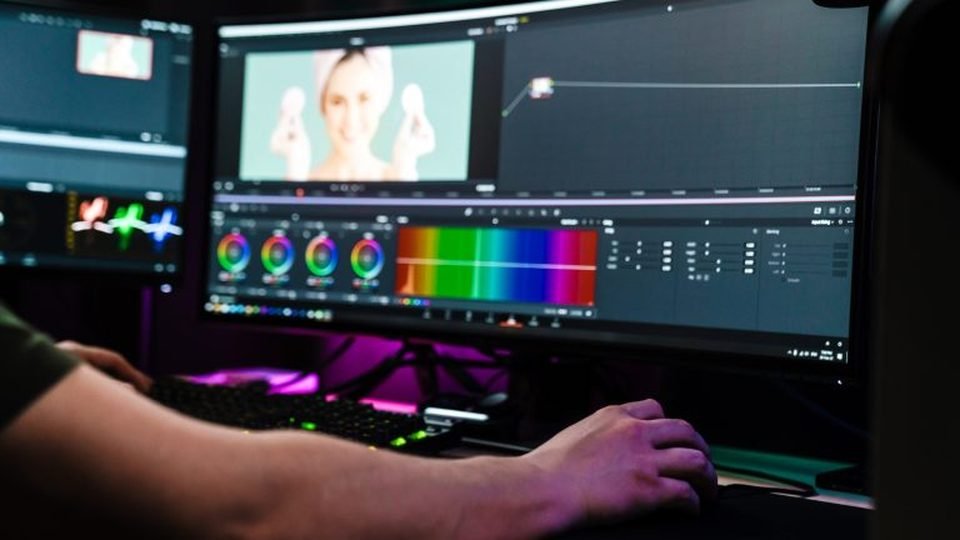
Sydney agencies sell video easily. Every client wants Reels, Shorts, TikToks, podcast clips and long-form YouTube — and they want all of it this week. Delivering it is the hard part. Editing is hours of detailed work: cutting, captions, sound, colour, exports in every format a platform demands. One editor can handle a few clients well. Ten clients with weekly video needs a system, not a hero.
White-label video editing is that system, run behind the scenes. A production team edits the footage while the agency keeps the client, the strategy and its own name on the work. This article explains how it works for Sydney agencies, what to brief, and how to judge whether it is working.
What white-label video editing covers
Video editing for agencies is not one job. A useful white-label service usually covers:
- Short-form edits — Reels, Shorts and TikToks cut from longer footage, with captions, hooks and platform-sized exports.
- Podcast and interview edits — long recordings cut into clean episodes plus short clips for promotion.
- Long-form edits — YouTube videos and brand films with structure, pacing, sound and colour handled properly, not just trimmed.
- Captions and sound — accurate captions, licensed music, balanced audio and clean sound design, because most short-form is watched on mute first.
- Repurposing — one recording turned into a full set: episode, clips, teasers and audiograms, so one shoot feeds a month of content.
If a provider only cuts short-form, the agency still has a gap everywhere else. Ask upfront which formats are standard, and what turnaround each one actually gets.
Why Sydney agencies white-label editing
White-label means the client sees your agency, your reports and your brand, while a production team does the work behind the scenes. The agency keeps strategy, pricing and the client relationship. The production partner handles delivery.
The model suits video because video demand is uneven and deadline-driven. A client launches, goes quiet, then launches again. A white-label partner absorbs those peaks without the agency hiring for the busiest week and paying for the quiet ones. It also solves the timezone question honestly: editing delivered overnight, reviewed in the morning, is a workflow advantage — as long as feedback rounds and approvals are agreed in advance, so nothing ships while the agency sleeps.
Nexolent describes itself as a white-label production partner — "Content, handled." — with video editing as its strongest documented capability, and it claims 2k+ projects delivered. That figure is a Nexolent claim; judge it alongside samples in your clients' formats, not instead of them. For a Sydney agency, the relevant test is narrower: can this team cut in your client's style, hit a deadline, and take feedback without a fight?
How to brief white-label editing so it works
Most white-label editing disappoints for briefing reasons, not talent reasons. Before the first edit, settle:
- The footage and where it lives — raw files, shared properly, with a naming system, not a pile of links.
- The style reference — two or three edits the client already likes, so "good" is defined before work starts.
- The format list — every output needed (short, long, podcast clip) and every size, so nothing is re-cut later.
- Captions and brand rules — fonts, colours, logo use, and words that must never appear.
- Who approves, in how many rounds, and by when — so an edit does not stall waiting for feedback from three different people.
- What must never be claimed — results, reviews or endorsements the client cannot back up, in captions or on screen.
With those six answered, a production team can work week after week without the agency re-explaining the client each time.
The mistakes that make agency video look cheap
- Captions that are wrong. Auto-captions with errors, or captions that cover the subject's face, make even good footage look careless. Check captions on a phone before anything ships.
- Audio nobody checked. Music too loud, voices uneven, a sudden cut to silence — viewers leave faster for bad audio than for imperfect visuals.
- A hook that takes too long. Short-form gives you about three seconds. If the point arrives at second ten, the viewer is already gone.
- Exports in the wrong size. A landscape edit cropped for vertical as an afterthought looks like an afterthought. Each format needs its own cut.
- Feedback in drips. Ten separate comments across a week produce ten rounds of changes. One consolidated round, from one approver, produces one.
What to check in the first month
Do not judge a white-label partner on a sales call. Judge the first month:
- Did the first edits match the client's style, or need heavy correction?
- Were deadlines hit without the agency chasing?
- Was feedback applied accurately, or did the same fixes come back twice?
- Could the agency forward the work to the client without reworking it first?
- Did the client notice any difference — and if so, was it positive?
If the answer to the first four is yes, the partnership is working. If the client noticed a drop in quality, no amount of cheap capacity is worth it.
Frequently asked questions
Will my clients know a white-label team is involved? No, if the arrangement is set up properly. Files, reports and communication carry your agency's name. That is the whole point of white-label: your client relationship stays yours.
How does the timezone difference work in practice? Agree a handoff rhythm: footage and briefs sent by end of day, edits returned for morning review, feedback consolidated into one round. The gap becomes overnight progress instead of a delay — but only if approvals are disciplined.
Who owns the project files? Settle this before work starts, not when a client leaves. The agency should hold editable project files for everything produced under its name, so it is never locked out of its own clients' work.
Does white-label editing work for one-off projects, or only retainers? Both, but retainers are where the system pays off: consistent style, faster turnaround and fewer briefings once the brand is learned. A one-off project is still a fair way to test a partner before committing.
What should the agency still do itself? Keep the client relationship, own strategy and approvals, and pass feedback in one consolidated round. The production partner handles the delivery workload behind that.
Next step: send one piece of raw footage and a sample of the edit style your client expects, and Nexolent will confirm what the first edit set includes. Use WhatsApp (UK) https://wa.me/447575150984, WhatsApp (Pakistan) https://wa.me/923149633145, or email info@nexolent.com.
More articles
White-Label Video Editing for Toronto Agencies: Extra Capacity Without Hiring
White-Label Graphic Design for Edinburgh Agencies: Design Capacity Without Hiring
Get in touch
Ready to talk about your project? Reach Nexolent directly:
WhatsApp (UK) WhatsApp (Pakistan) Email us